

Outdoor dining in many Australian homes is quite different from how it used to be in the past. It has moved from being a treat reserved for warm weekends into an activity that takes place on several days of the week through spring and summer. The furniture for such a purpose should be geared towards meeting this new usage requirement.
The Alfresco Reality
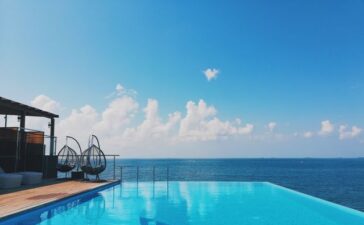
It is a fact that in Australia, outdoor living spaces have been considered a top design feature in homes. Patios, alfresco areas and decks are an integral part of residential construction projects in many places within Australia. This design philosophy is due to the reality of outdoor living that prevails in the country, especially during the warm months of the year. Furniture that is used several days of the week tends to deteriorate quite quickly compared to furniture meant to be used only on rare occasions.
Furniture that is used on weekends does not necessarily need the same functionality considerations as everyday pieces when making purchases.
Round vs Rectangular Tables: The Choice That Changes the Space
Rectangular tables will seat more people on a given floor space, so it’s no surprise they’re the standard choice for families and those who often have bigger groups over. Round tables seat fewer people for the same space but place everyone in a sweet spot for conversation, so they’re a good choice for day-to-day dining where atmosphere counts more than how many can squeeze in.
Round layouts also work heaps better on wonky or small patios where a regular rectangular layout leaves dead space around the corners. Also worth checking is the table leg design; a central pedestal lets you squish or add chairs a lot easier than four corner legs which fix the seating arrangement.
Dining Chairs vs Patio Armchairs: Why the Difference Matters
Outside dining chairs are made for sitting up straight at table height so people can chat over a meal. Patio chairs on the other hand are lower and more laid-back for just hanging out for a bit. Mixing the two in a dining area makes for a weird height mismatch that makes eating and chatting a real chore for the whole family.
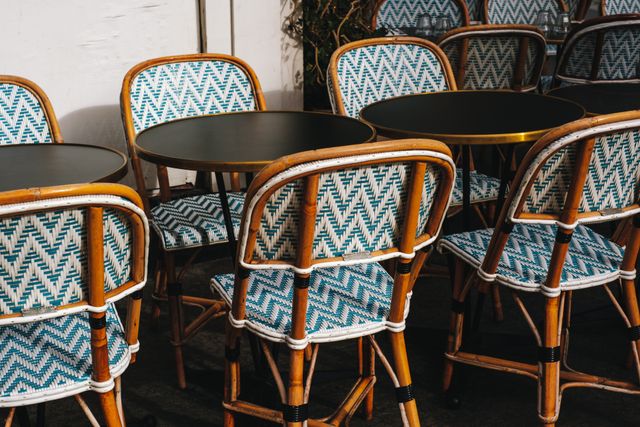
If you get the right wicker outdoor dining sets you get back support to sit up straight, a nice wide seat and armrests that don’t get in the way when people lean forward.
Weatherproofing a Setting That Gets Used Often
Outdoor furniture made from powder-coated aluminium or synthetic wicker that’s properly woven will last ages even when you have to clean it multiple times a week. Concrete table tops with wicker chairs are another good option; they’re heat-resistant and easy to keep clean and also stay put on windy decks. Furniture covers will also extend the life of your cushions when you can’t move the furniture inside during rain.
Compact Dining for Balconies and Smaller Outdoor Spaces
Apartments and medium-density housing are becoming more and more common in Australia, and for a lot of people the outdoor area is just a balcony, not a backyard. A three-piece compact setup, two chairs and a small round table, is about the minimum you need for comfortable balcony dining. And if you get those folding chairs they can handle the occasional guest without taking up too much of your limited floor space all the time.
Shade, Lighting and What Actually Finishes the Setup
Trying to have daytime meals on an uncovered patio in the middle of an Australian summer is a real challenge; so having a parasol, shade sail or pergola is pretty much essential rather than an extra you should consider. Adding some outdoor string lights above the table is one of the simplest ways to extend the space into the evening when it’s actually pleasant to sit outside and have a meal. For more on outdoor living design considerations, your state or territory planning authority can provide guidance on approved structures like pergolas and shade sails.