

The cars in Australia are ageing silently, and statistics have revealed how much. As of 31 January 2026, there were 22.77 million registered motor vehicles in the country, which was about 2.1% higher than the previous year. In general, their average age increased to 11.67 years from 11.55 years in 2025.
Frankston motorists know the significance of that figure. A vehicle that is already older than 10 years requires servicing by an auto mechanic in Frankston whose knowledge of its mechanics goes beyond checking its oil level. What, then, differentiates normal servicing from mechanical servicing in order to keep your oldie running smoothly?
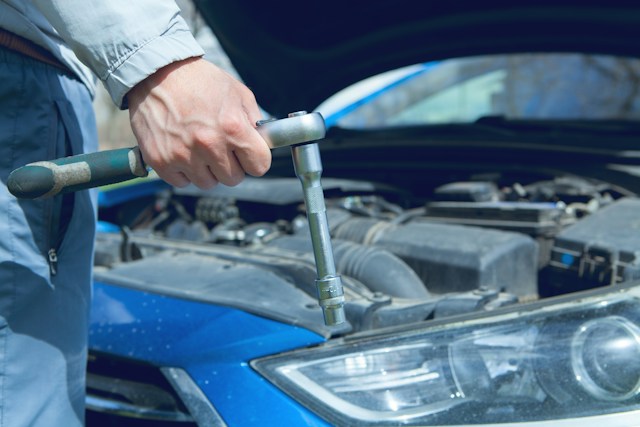
The Spanners Are Still Important, but the Diagnostics Come First
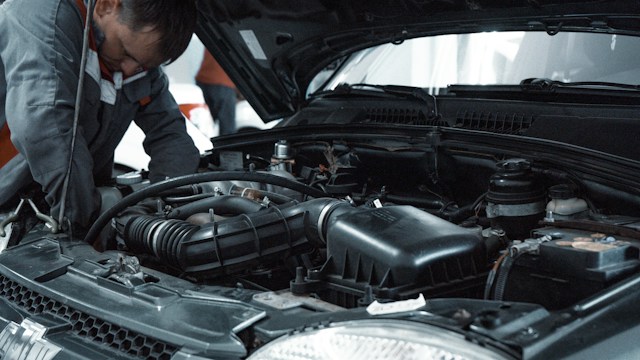
Open the bonnet of virtually any modern car, and you will see that it has become a system of electronics, sensors, and control modules. Timing of the engine, the supply of fuel, the braking system, and power windows all communicate with onboard computers. And when a warning light appears on your dashboard, it may be because of a defective sensor, damage in electrical circuits or a mechanical problem.
The scan tool narrows down your options; however, it merely reports the symptoms in the form of the fault code. The experienced technician interprets the code, performs tests on the circuitry and finds out the fault. This helps you save money because guessing often leads to purchasing unnecessary replacement parts.
Why Do Cars Wear in Frankston in Their Own Special Way?
Living out near Port Phillip Bay means you get plenty of those fresh sea breezes wafting in, and unfortunately they also bring their own special brand of salt with them. Over time that salt just kind of settles on brake lines, exhaust systems and suspension mounts underneath your car without you even noticing it’s happening. Which is the first rule of rust: it starts out of sight and rapidly gets the better of you before most people even catch on.
Day-to-day driving habits will also start adding in their own unique layer of wear out of nowhere. We mean think about it, all that stop-start traffic along the Nepean Highway is just going to heat up your brakes and transmission over and over again, never giving anything a chance to fully cool down. Then those short trips to school or the shops make sure the engine never reaches full operating temperature, so the moisture just collects inside the oil and gradually turns into a useless, sludgy mess.
Slap all those local conditions on top of the fact that the national fleet is getting older by the day, and it’s clear right here why regular inspections are fast becoming a must-do rather than a maybe.
What Qualifications to Look for if You’re Handing Over the Keys?
Most people would assume that every single mechanic in Victoria must have a special kind of licence to be working on cars. Sadly not. In fact, there’s no general licence to be a car repairer here. What they do have is a bunch of specific approvals for certain types of work, the kind of work that requires issuing roadworthy certificates, for example.
But even with a licence, it’s just not going to tell you a heck of a lot. So what do you do? Well, here are a few pointers that give you a bit clearer picture of a workshop:
- Formal trade qualifications, you know, the sort of thing where they issue a Certificate III in Light Vehicle Mechanical Technology.
- Ongoing training in the latest hybrid systems and the fiddly electronics in modern cars.
- Membership of a reputable industry body with all sorts of standards for training and equipment.
- Clear written terms about warranties, you know, the part where they promise to stand behind their work.
- And if you need a roadworthy certificate, make sure they’ve got a Licensed Vehicle Tester approval to show for it.
Nothing here guarantees you’ll get perfect work all the time, but together they sure do suggest a business that takes its trade pretty seriously.
What Happens if the Work Starts Going Bad?
Car repairs are services, which means Australian Consumer Law has got your back with a bunch of consumer guarantees. Your mechanic has got to do the work with reasonable care and skill, and any parts they supply have to be fit for purpose. If a repair goes wrong because of shoddy workmanship, you can bet the bottom dollar you’re entitled to get it fixed or have a refund.
And then there’s the quotes; don’t think for a second they get any less scrutiny than the repair work itself. A reliable workshop will give you a shout before they go and add extra work onto the bill beyond what you originally signed off on. If they try to sneak extra charges in on you when they’re picking you up from the workshop, you should be raising a few questions, not just politely saying “oh okay”.
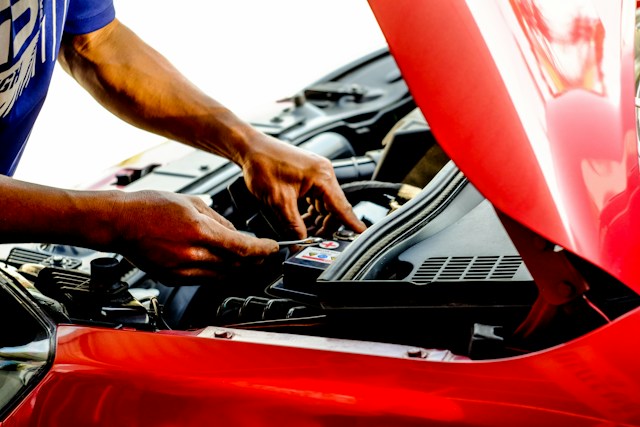
The Long Term Benefits of a Mechanic Who Knows Your Car
Basing all your car repairs on who gives you the cheapest one-off deal can seem like a great idea at the start, but over a few years it’s usually going to end up costing you more in the long run. On the other hand, a mechanic who gets to see your car regularly will spot all those little things that seem like no big deal on their own: the slow oil leak, that worn bush, that tyre that’s wearing down unevenly on one edge.
And then there’s communication. You want a workshop that gives you clear invoices, straightforward explanations and is happy to show you the old parts they pulled out. If they get evasive with you or brush off your questions, that’s a red flag that something’s up.
Frankston’s cars are getting older by the day, so the first thing you can do to help out is just pick one reliable workshop and book an inspection before all those little noises turn into really big, expensive repairs.