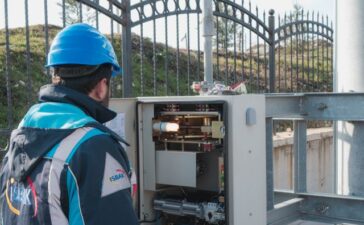


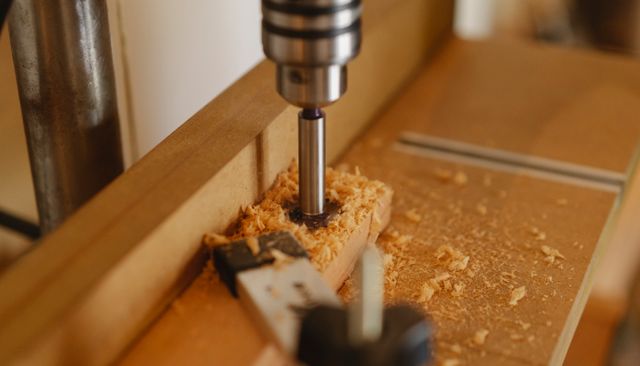
Field Repairs Depend on a Flare You Can Recreate begins in the everyday reality of maintenance work where tubing must be prepared away from a perfect workshop. Technicians balancing portability, accuracy and material condition often adapt around small inconveniences until the pattern becomes difficult to ignore. In this setting, why repeatable technique matters when conditions change from one job to the next is more useful as context than as a dramatic conclusion. Within field repairs depend on a flare you can recreate, looking closely at what changed, when it changed and what influences it creates a calmer basis for deciding what deserves attention first.
For field repairs depend on a flare you can recreate, the most useful starting observations are cut quality, deburring and tool setup. These details give technicians balancing portability, accuracy and material condition a clearer way to describe the situation and help distinguish a one-off event from something recurring. Within field repairs depend on a flare you can recreate, the purpose here is not to arrive with a finished answer; it is to bring enough real-world information for the next conversation to be specific rather than generic.
Begin With a Clean Cut
For technicians balancing portability, accuracy and material condition, Pipe flaring tool becomes meaningful when the request is connected to why repeatable technique matters when conditions change from one job to the next. In field repairs depend on a flare you can recreate, the practical question is how final inspection fits with the surrounding conditions and the outcome the client actually wants. Within field repairs depend on a flare you can recreate, a useful first discussion should explain what will be observed, what remains uncertain and which choices can wait until the situation is understood more clearly, rather than assuming every case needs the same response.
Set the Tube Depth Deliberately
Field Repairs Depend on a Flare You Can Recreate treats cut quality as a checkpoint rather than a conclusion. It should be read beside deburring, because those two details may interact in a way that is easy to miss when they are considered separately. Bringing tool setup into the same review gives the decision a stronger baseline. Within field repairs depend on a flare you can recreate, this sequence keeps urgent concerns visible while preventing smaller refinements from distracting from the main purpose of this particular task.
The next stage of field repairs depend on a flare you can recreate is to place final inspection beside why repeatable technique matters when conditions change from one job to the next and ask whether the original plan still fits. For technicians balancing portability, accuracy and material condition, that comparison can reveal a constraint, preparation step or alternative that was not obvious at the beginning. Within field repairs depend on a flare you can recreate, it also creates a sensible moment to adjust the sequence before time, money or effort is committed to a direction that no longer matches the evidence gathered for this situation.
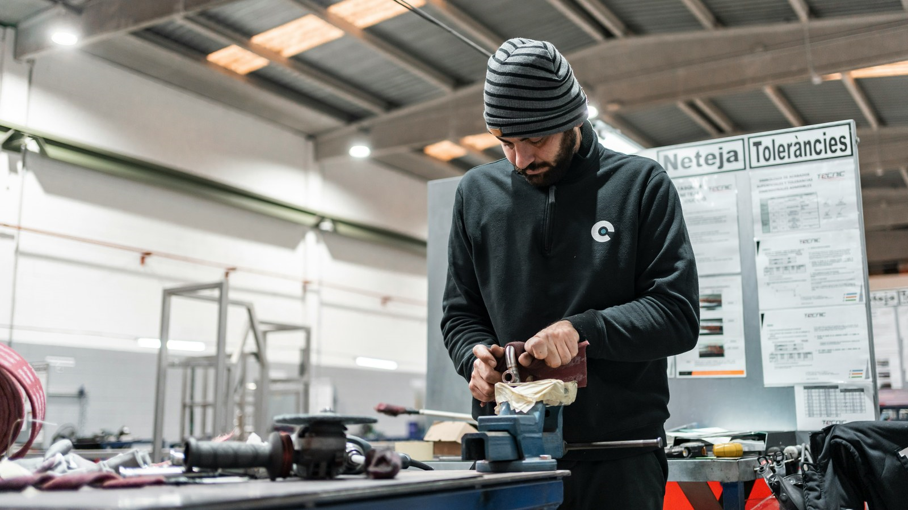
Check the Finished Geometry
The lasting value of field repairs depend on a flare you can recreate is clarity. For technicians balancing portability, accuracy and material condition, a simple record of cut quality, deburring, tool setup and any follow-up involving final inspection gives future decisions a reliable reference point. In maintenance work where tubing must be prepared away from a perfect workshop, conditions can change and new people may become involved later, so good work should leave enough context for the next discussion to begin from evidence rather than memory. Within field repairs depend on a flare you can recreate, that is how a one-off decision becomes easier to maintain and revisit.