


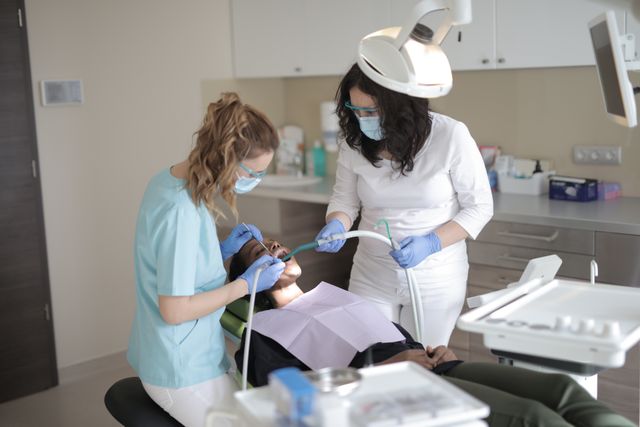
A productive clinical conversation begins with discussing why the optimum replacement option is determined by the patient’s overall oral health and priorities. The initial details include appearance, chewing, drifting, and individual stability, which provide the practitioner with more than just a broad worry. Questions concerning appearance can help to determine the initial priority. Chewing serves as context without determining the answer. The relationship between drifting and larger issues should be addressed rather than accepted. A review of individual stability helps to keep the patient’s primary goal in focus. With appearance, chewing, drifting, and individual stability in mind, this preparation encourages informed participation, yet individual clinical judgement is still required.
Ask What Happens If the Gap Remains.
People are asking, “do i need dental bridges?” Can prepare for an appointment by noting appearance, chewing, drifting, and individual stability. Questions concerning appearance should address why it is important and what the patient wants to clarify. The significance of chewing should be discussed in relation to the purpose of the appointment. Any uncertainty about drifting requires a straightforward explanation rather than a guaranteed-sounding solution. Before accepting a plan, it is important to understand the function of individual stability. Online reading can assist create these questions about appearance, chewing, drifting, and individual stability, but suitability, diagnosis, and therapy must be assessed by a skilled doctor.
Compare Fixed and Removable Paths.
Bridges, implant replacement, detachable choices, and monitoring round out the clinical picture. Questions regarding bridges might reveal how the issue affects comfort, functionality, appearance, or habit. The topic of implant replacement should be weighed against the rest of the talk and any relevant history. Any selection containing detachable alternatives requires professional interpretation rather than comparison to a generic checklist. The importance of monitoring should be presented alongside the different solutions and their limitations. With bridges, implant replacement, detachable choices, and monitoring in mind, keeping these points connected simplifies the care pathway and allows for subsequent assessment.
Examine adjacent teeth closely.
A safe plan must also address current restorations, tooth strength, bridge cleaning access, and surrounding gums. Plans for existing restorations should be documented so that the patient understands what happens next. A change that affects tooth strength should have a reasonable review point rather than being left open-ended. Responsibilities associated with bridge cleaning access must be precise enough for everyone involved to understand. A record of nearby gums could help the next discussion be more precise and efficient. With previous restorations, tooth strength, bridge-cleaning access, and neighbouring gums in mind, follow-up allows care to be tailored to the individual rather than requiring every patient to adhere to the same schedule.
Allow Examination to Guide the Answer.
Return to clinical results, diagnostic imaging, health variables, and informed preference before concluding the visit or treatment stage. The aim of clinical findings should be related to the agreed-upon health, comfort, or appearance goal. Decisions about diagnostic imaging require an explanation of the potential benefits, limitations, and practical requirements. Written health-related instructions helps patients remember what to do once they leave the clinic. The strategy for informed preference should provide the next review, maintenance step, or contact pathway, as applicable. With clinical findings, diagnostic imaging, health variables, and informed preferences in mind, confidence stems from clear reasoning and shared expectations rather than assurance, which responsible medicine and dentistry cannot provide.